During Bacha Khan Week 2020, the Bacha Khan Markaz in Peshawar
arranged a seminar on Women's Rights and their role in the cause put forward by
Abdul Ghaffar Khan — popularly known as Bacha Khan — and the
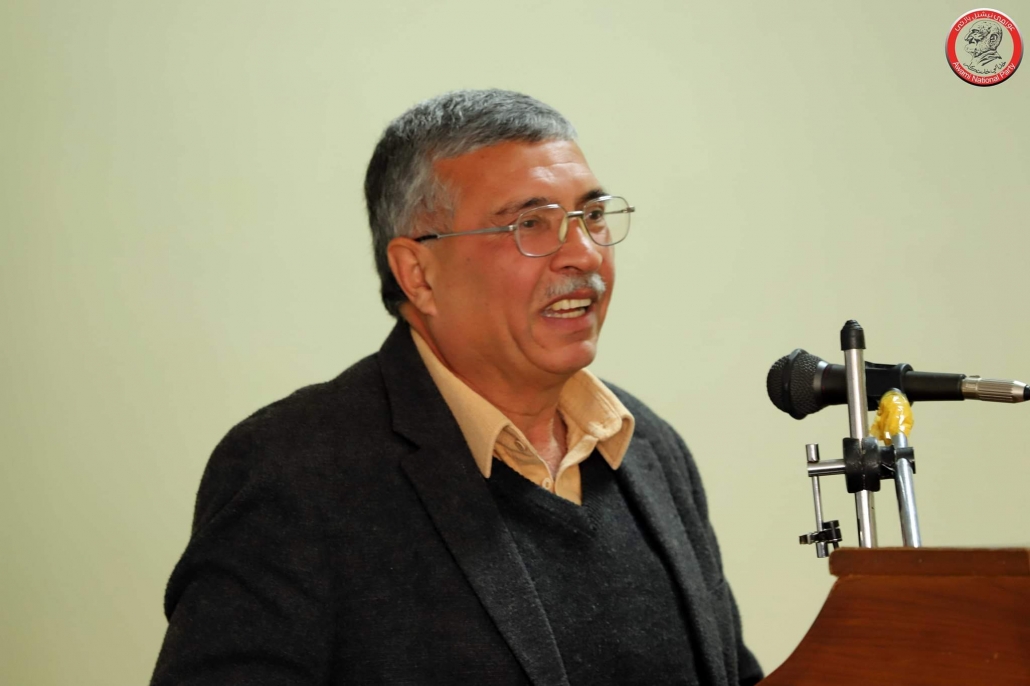
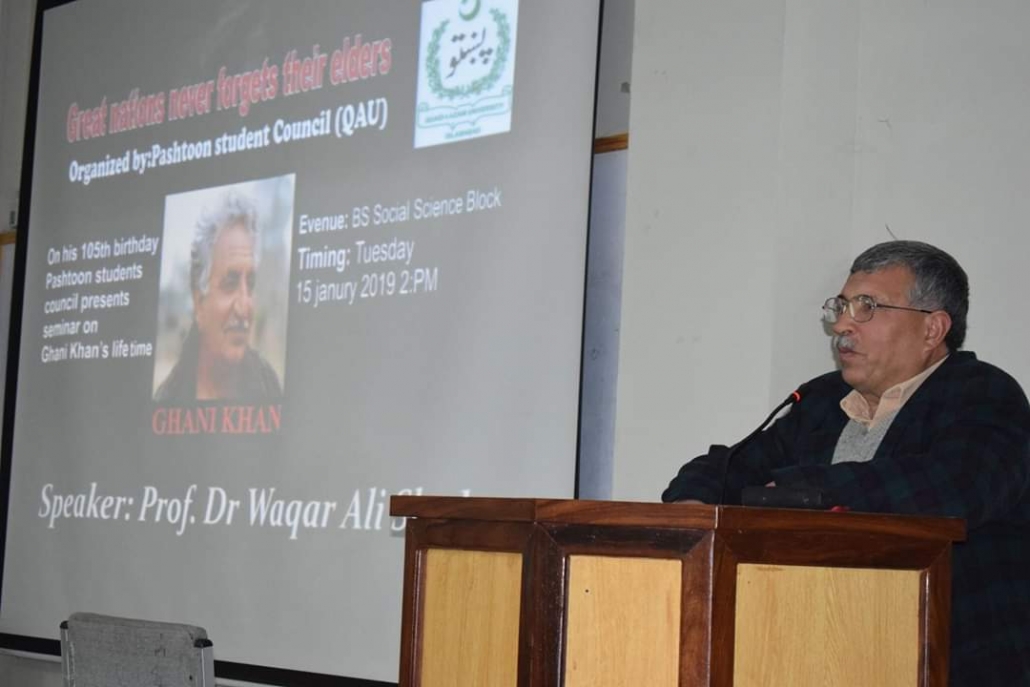
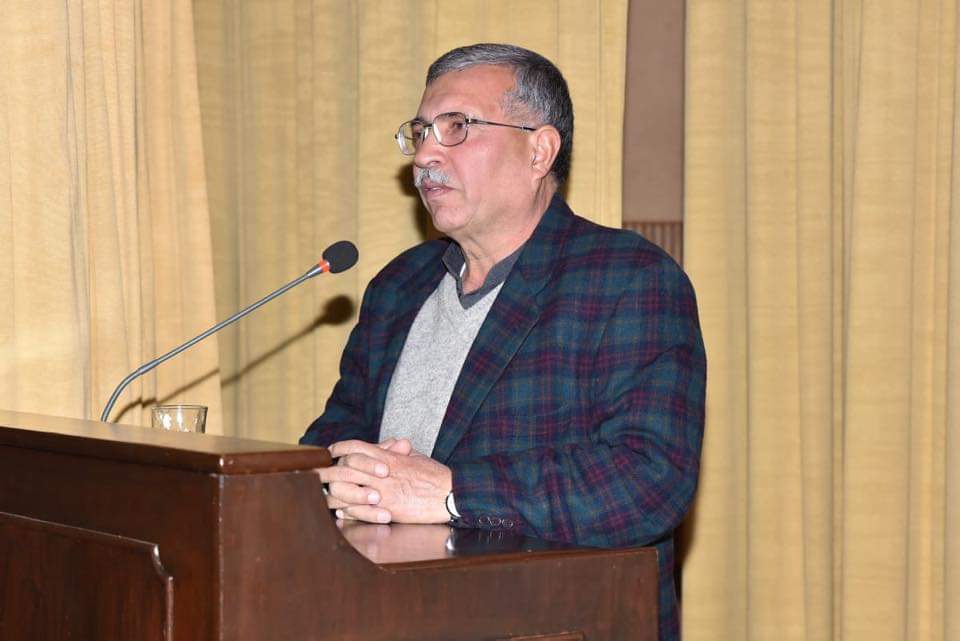
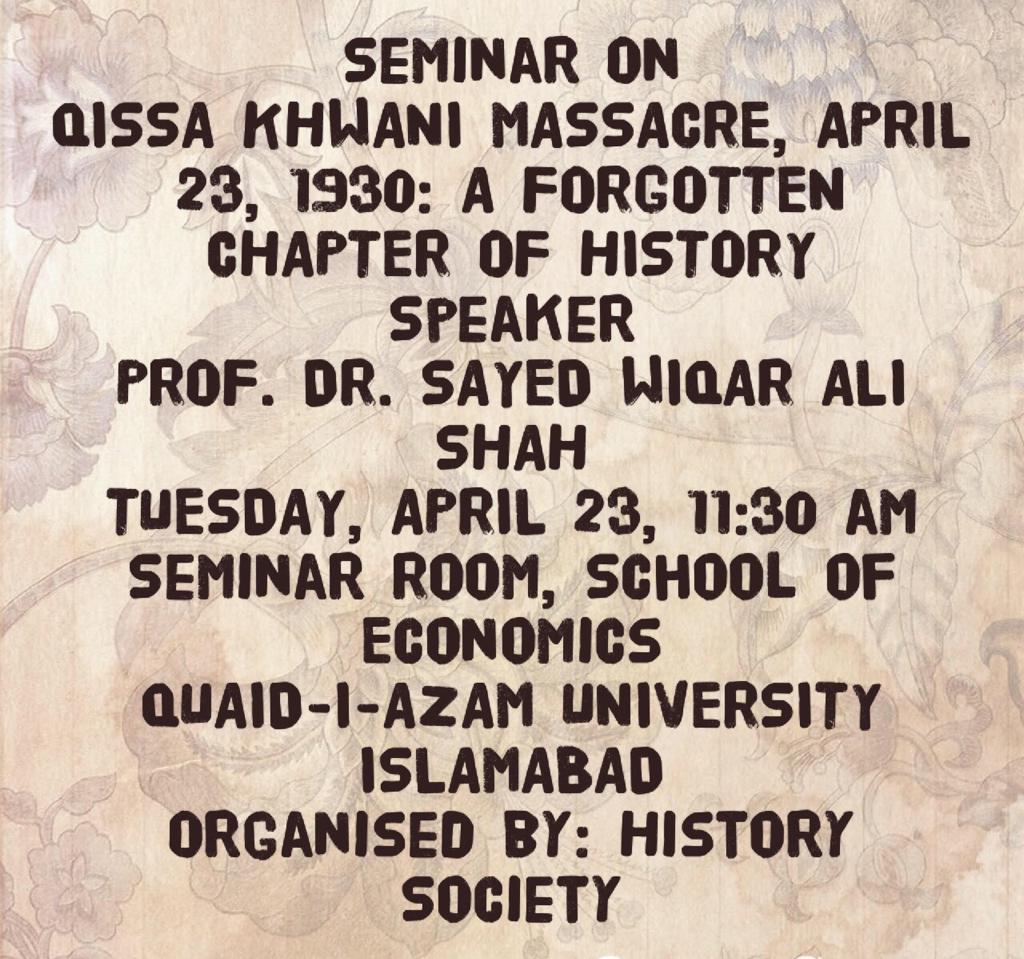
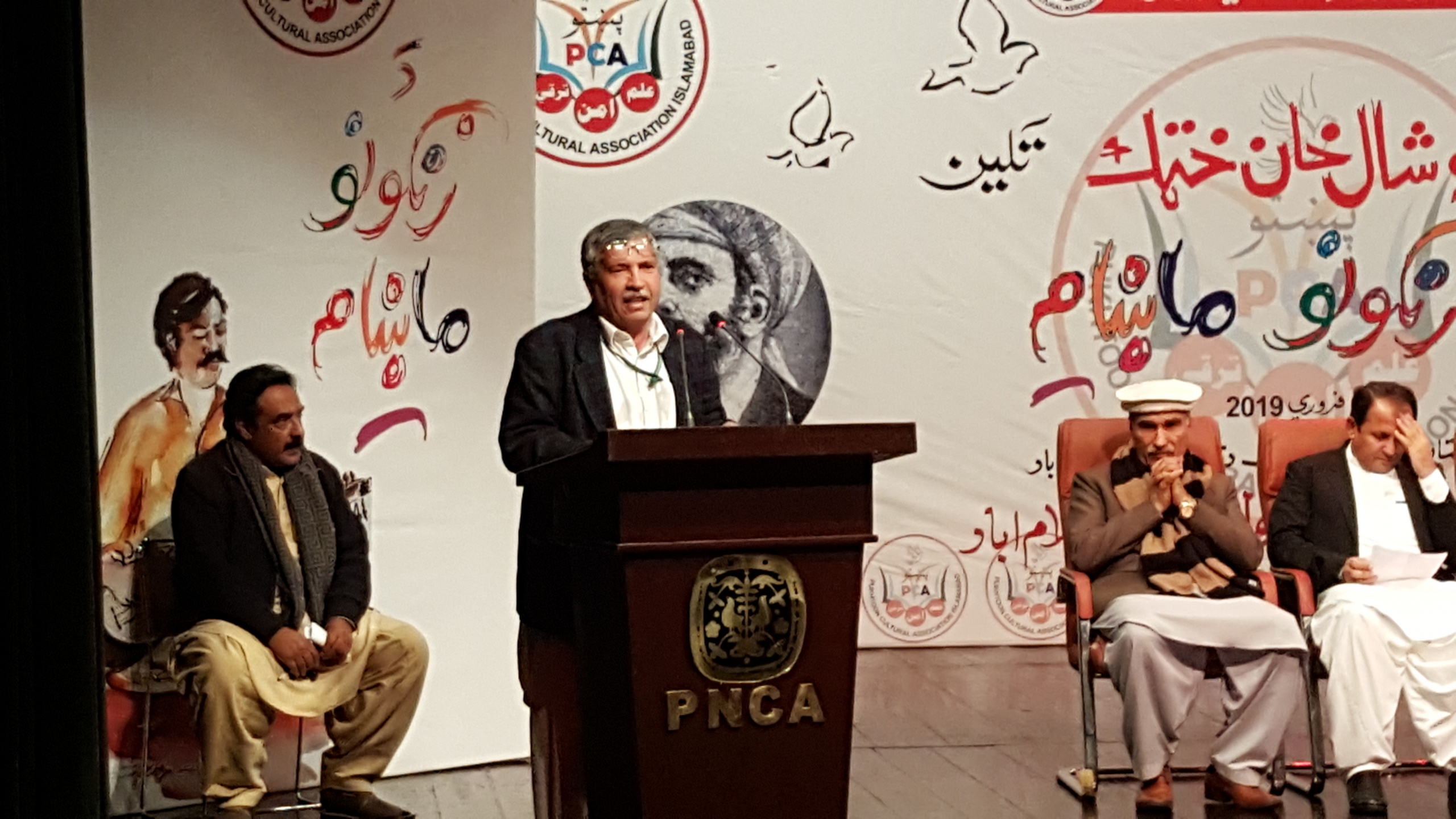
Khudai Khidmatgars. Prof. Dr. Sayed Wiqar Ali Shah spoke on the Khudai
Khidmatgar Movement and the role of Pashtoon women in the nationalist movement, offering a
richly documented and deeply personal account of this overlooked dimension of Pashtoon history.
He elaborated in detail upon Bacha Khan's articulation and his direct approach to the
uplift of women in Pashtoon society. Bacha Khan was convinced — and often used to say —
that "an educated woman is an asset to the country and society." This conviction was
not merely rhetorical: Bacha Khan lived by it and expected his followers to do the same.
Key Themes Addressed in the Seminar
Women's education in traditional Pashtoon tribal society
Bacha Khan's vision for gender equality in the KK movement
Women as second-class citizens — colonial and tribal barriers
Pashtoon women as partners in the freedom struggle
Prominent KK families who sent daughters to school
Women who became doctors, educationalists, politicians
"An educated woman is an asset to the country and society."
— Khan Abdul Ghaffar Khan (Bacha Khan) · Cited by Prof. Dr. Sayed Wiqar Ali Shah
In the traditional tribal societies of the Pashtoon regions, women were
habitually considered second-class citizens — confined to the domestic sphere, denied
education, and excluded from public and political life. Against this entrenched backdrop,
Bacha Khan's insistence on women's full participation in the Khudai Khidmatgar movement
was nothing short of revolutionary.
Bacha Khan urged upon the Pashtoons to give their women an honourable place
in society, arguing powerfully that if they wanted to rid themselves of British colonization,
they needed the utmost services of their women folk. He connected women's liberation
directly to national liberation — understanding that a people could not be truly free while
half their number remained in subjugation.
Prof. Shah provided rich historical detail showing that from the very beginning of the Khudai
Khidmatgar movement — and even before its formal launch — women were treated at par with men.
The KK leader advised his followers to follow him in this, which they did:
they sent their daughters to school and set an example for other Pashtoons to follow.
Daughters of the Khudai Khidmatgars — Their Later Roles
Doctors & Healthcare Professionals
Educationalists & Teachers
Politicians & Public Servants
Social Workers & Community Leaders
Examples of prominent Khudai Khidmatgars who played an active role in
imparting knowledge to their daughters were cited by Dr. Shah — women who went on to
play major roles in Pashtoon society as doctors, educationalists, politicians and social
workers. These living examples, Dr. Shah argued, are proof that Bacha Khan's approach to
women's rights was not only principled but practical — and that its fruits are still visible
in Pashtoon society today.
The seminar, held in the historic surroundings of Bacha Khan Markaz in Peshawar — the very
institution founded to honour Bacha Khan's legacy — drew a large and engaged audience of
students, scholars, and community members. Prof. Shah's comprehensive command of the
historical record, combined with his passionate advocacy for women's rights, made the
session one of the most memorable of the Bacha Khan Week 2020 programme.